
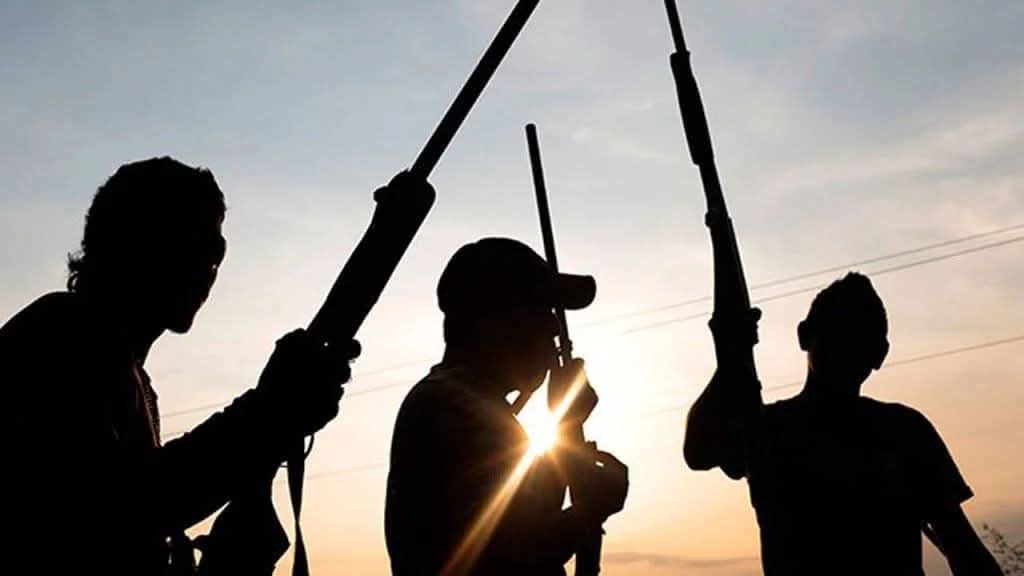
Renewed violence has again shaken communities in Jos South following the killing of three residents in Gyero, Gyel District, in what locals describe as a targeted attack on civilians returning home from work.
Available reports indicate that the victims were ambushed in the area, with at least one other person injured during the incident.
The latest killings add to a growing pattern of violent attacks across Plateau State, where communities continue to face persistent insecurity. The incident comes amid a surge in deadly violence across the state in recent weeks. On March 29, 2026, gunmen attacked the Angwan Rukuba area of Jos, killing more than 28 people and injuring many others, according to human rights reports.
Similarly, separate attacks in parts of Jos have left dozens dead, with authorities imposing emergency measures such as curfews to contain the situation.
News Analysts note that the crisis in Plateau State is part of a long-standing cycle of violence in Nigeria’s Middle Belt, often driven by a complex mix of communal tensions, competition over land, and criminal activities. Over the years, repeated attacks have resulted in significant loss of life, displacement of communities, and destruction of property.
Human rights organisations have repeatedly raised concerns about the inability of authorities to prevent attacks despite warning signs, stressing the need for improved intelligence response, protection of vulnerable communities, and accountability for perpetrators.
Residents of affected areas have continued to call for stronger security presence and swift justice, arguing that visible prosecution of those responsible would serve as a deterrent to further violence. The absence of arrests or convictions in many past incidents has contributed to a climate of fear and mistrust.
The recent killings in Gyero highlight the urgent need for coordinated action by security agencies to stem the tide of violence in Plateau State. Stakeholders emphasise that beyond immediate security responses, long-term solutions addressing the root causes of the conflict remain critical to achieving lasting peace.
As communities mourn yet another loss of lives, calls are intensifying for authorities at all levels to prioritise the protection of citizens and ensure that justice is not only done but seen to be done.


